
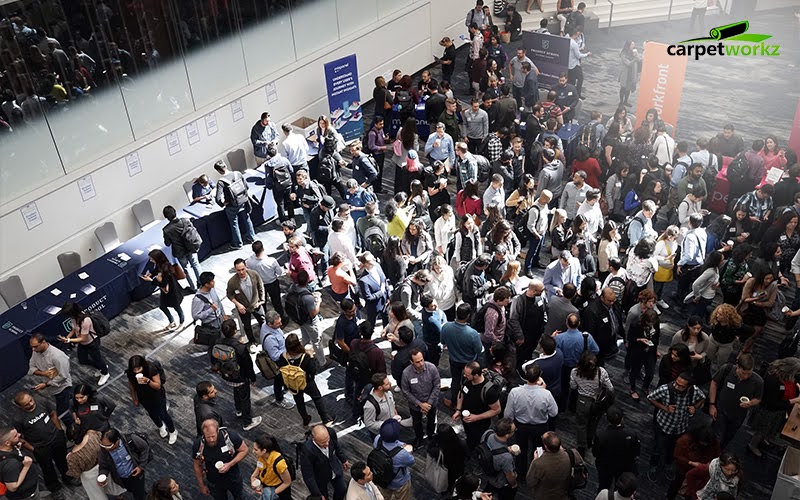
Ask any event organiser or exhibitor what their biggest challenges are, and you’ll hear the same things: crowd bottlenecks, under-visited booths, confusing layouts, and disengaged attendees. Even with clear signage and helpful staff, things don’t always flow the way they should.
Large-scale exhibitions can feel overwhelming for attendees, especially when hundreds of booths compete for attention. Despite all the planning, visitors may miss key zones, rush through high-value areas, or spend too much time navigating rather than engaging. These issues can impact not just the visitor experience, but also ROI for vendors and sponsors.
This is where the floor, quite literally, steps in.
Beyond its decorative appeal, carpet design is a silent strategist. It gently shapes movement, highlights focal points, and helps guide foot traffic through even the most complex event layouts, all without a single arrow or announcement.
In the upcoming sections of this guide, you’ll discover how to transform your event floor into a foot traffic management asset. We’ll walk you through:
-
- How carpet colour and zoning can direct movement subconsciously
-
- Why textures and patterns act as invisible wayfinding cues
-
- How to design layouts that guide behaviour without relying on signage
-
- Ways to use carpets as a powerful branding extension
-
- Real-world tips and venue-specific insights for Singapore events
Whether you’re organising a trade show, exhibition, or corporate showcase, this guide will help you use carpets not just as decoration but as direction.
Carpet Colour and Zoning: Directing Foot Traffic Subconsciously
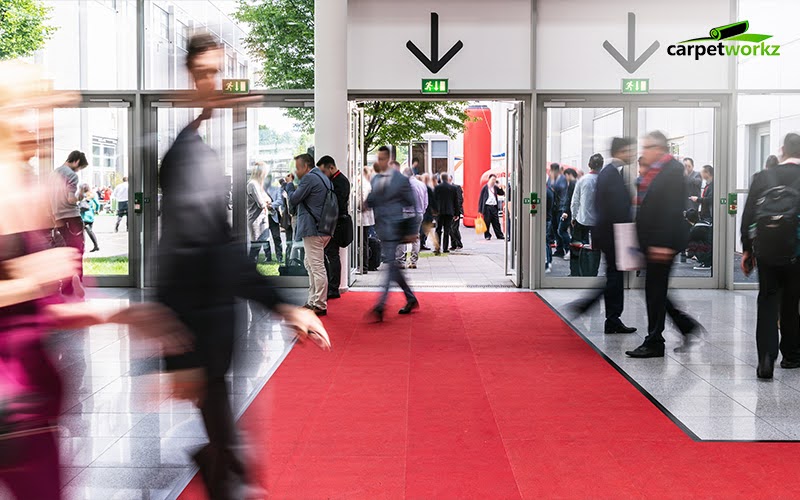
Before we dive into the finer details of patterns, textures, and layout strategies, let’s begin with one of the most instantly recognisable and surprisingly powerful design elements: colour. More than just a visual choice, carpet colour has the power to influence behaviour and steer foot traffic instinctively. When used strategically, it can define zones, manage movement, and improve the visitor experience, all without a single sign.
Here’s how.
1. Warm vs Cool Tones: Guiding Emotions and Movement
Warm colours like red, orange, and yellow naturally evoke energy, making them ideal for high-movement areas. Placing these colours near entrances, main walkways, or around time-sensitive experiences can subtly increase the pace of foot traffic, encouraging attendees to keep moving and avoid lingering too long.
In contrast, cool tones such as blue, grey, and green have a calming effect. These colours are perfect for zones where you want people to slow down, like exhibitor booths, lounges, or areas with detailed product displays. When visitors encounter a cool-toned area, they’re more likely to stop, explore, and engage more deeply.
2. Contrast and Zoning: Organising Without Walls
Using contrasting exhibition carpet colours is an effective way to create distinct zones across your event floor. Whether it’s a networking lounge, a main stage, or a VIP area, changes in colour help signal shifts in purpose and tone. Without building physical partitions, you can guide people toward or around these spaces while maintaining visual openness.
A monochrome carpet layout can promote a sense of continuity and flow, ideal when you want to maintain momentum. On the other hand, multicolour layouts introduce decision points that cause people to naturally pause, assess, and reorient themselves. Each colour change acts as a visual cue, subtly prompting a change in behaviour.
3. Singapore Venue Tip
If you’re working in popular exhibition spaces like Suntec Convention Centre or Marina Bay Sands, you’ll be pleased to know that many venues allow for coloured carpet overlays. This gives planners the chance to implement custom zoning that aligns with branding, sponsorship visibility, or targeted control, especially useful when specific booths or zones need a higher share of attention.
Ultimately, thoughtful use of colour transforms flooring into a navigational tool. It’s a strategic yet understated way to influence how everything flows, where people focus, and how they experience the event as a whole.
Texture and Pattern: Invisible Signposts Underfoot
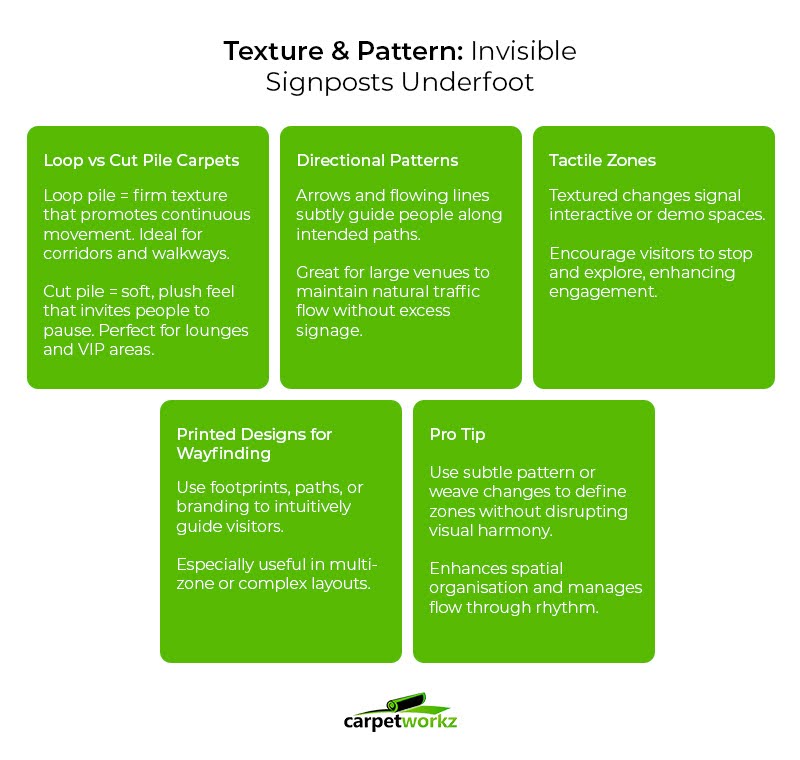
While colour sets the tone and defines zones, the next layer of influence lies in texture and pattern, the tactile and visual cues that work beneath conscious awareness. Once you’ve guided foot traffic to a space, these subtler details help shape how visitors move through it, where they pause, and how long they stay.
1. Loop vs Cut Pile
The type of carpet flooring texture you choose can encourage either movement or lingering. Loop pile carpets, known for their firm and structured surface, naturally encourage momentum. They’re ideal for main walkways, corridors, or connector zones where you want people to keep moving steadily.
On the other hand, cut pile carpets offer a softer, more luxurious feel. This plushness signals comfort and encourages people to pause. Use this texture in seating lounges, booths, or VIP areas to make visitors feel welcome and to subtly increase dwell time where engagement matters most.
2. Directional Patterns (Lines, Arrows)
Visual patterns can guide both the eye and the feet. Incorporating directional patterns, such as subtle arrows or flowing lines, naturally leads people along intended routes. This is especially effective in large venues, where managing traffic efficiently can make or break the event experience. These built-in prompts help maintain flow without visual clutter from additional signage.
3. Tactile Zones
Introducing tactile zones, areas where the carpet texture is slightly raised or different, can highlight interactive spaces or product demo areas. These textured cues signal to visitors that it’s okay (or encouraged) to stop and engage. It’s an unobtrusive way to guide foot traffic into meaningful interactions.
4. Printed Designs as Wayfinding
You can also incorporate printed patterns such as footprints, pathways, or even branding motifs to direct the traffic. These visual cues are particularly useful for complex layouts or multi-zone exhibitions, where visitors benefit from intuitive, ground-level navigation.
5. Practical Tip
Want to create distinct zones without overwhelming the visual flow? Try using subtle pattern shifts, changes in weave direction, or motif variations to separate areas while maintaining a cohesive look. This not only helps with spatial organisation but also gently manages foot traffic through rhythm and repetition.
By layering texture and pattern into your carpet strategy, you add a level of sophistication that makes the space easier to navigate, more engaging, and ultimately more effective in managing foot traffic at any scale.
Guiding Behaviour Without Signs
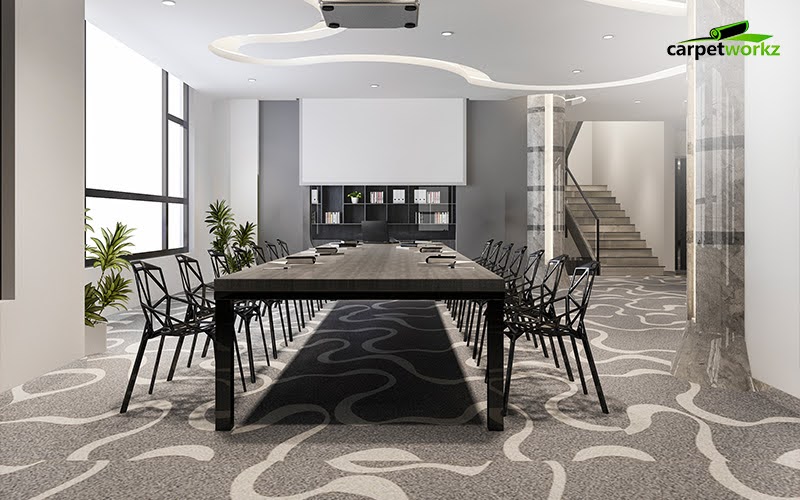
We’ve seen how texture and pattern create subtle cues that guide attendees on where to move and when to stay. But what if you could shape behaviour even more intentionally, without a single signboard? That’s the power of strategic carpet layout. When done well, the floor becomes a silent yet persuasive guide, shaping the entire journey of foot traffic through your event.
1. Colour Gradients as Transitions
One of the most understated yet powerful tools is the colour gradient. Instead of abrupt shifts, gradually changing carpet colours from one tone to another can help attendees transition seamlessly between zones. For instance, shifting from bright, energetic tones in exhibition areas to cooler, calmer shades in a keynote or presentation space helps reset expectations and behaviour. It subtly tells people they’re entering a different environment and encourages them to adjust their pace accordingly.
2. Deliberate Contrasts to Mark Boundaries
In contrast, deliberate, sudden changes in colour or pattern can create a sense of threshold. When foot traffic moves from a general public space to a premium or VIP zone, an intentional design shift signals exclusivity. These boundaries don’t need to be roped off, as the flooring alone can do the job, maintaining openness while still managing the overall flow.
3. Flow-Through Design
Ever felt “nudged” forward at an event without knowing why? That’s often the result of flow-through design. Carpet layouts can be used to prevent foot traffic from stalling or congesting by gently guiding it forward. Curved or tapered walkways, for example, naturally lead attendees past key areas without creating a dead end.
4. Psychological Nudges and Layout Loops
People instinctively follow paths, especially in unfamiliar environments. By placing visual anchors, such as a path bordered by slight texture changes or visual motifs, you encourage attendees to follow the journey you’ve designed. For maximum exposure, many planners opt for U-shaped or looped carpet layouts, which increase engagement time by directing foot traffic past more booths before returning them to the main aisle.
In a world saturated with signage, the most effective directions may just be beneath your feet.
Carpet as a Brand Extension
Once you’ve established flow and guided behaviour through carpet design, there’s an opportunity to take it one step further, by turning the very floor people walk on into a canvas for your brand. Beyond managing foot traffic, carpets can reinforce identity, create memorable impressions, and elevate the perception of your space within a crowded event hall.
1. Branded Carpets
Customised carpets, featuring your logo, slogan, or even brand patterns, can subtly embed your identity into the event experience. Unlike banners or pop-ups, floor graphics are impossible to ignore; everyone engaging with your booth must walk across them. This makes the carpet a high-visibility tool, one that works constantly to build brand recall as foot traffic flows through.
2. Colour Psychology for Brand Reinforcement
The strategic use of colour psychology can amplify emotional connection. Calming blues and greens suggest trust, ideal for finance or wellness brands. Bold reds and oranges can evoke excitement and urgency, perfect for tech launches or promotional zones. When integrated into the carpet, these cues influence mood and behaviour, subtly guiding foot traffic toward your desired outcomes.
3. Full-Floor Takeovers
Large-scale exhibitors often opt for full-floor takeovers, using expansive custom carpet layouts to dominate visual real estate. This not only makes their space stand out but also channels everyone directly into the zone. A fully branded floor sends a strong message: this brand is confident, cohesive, and worth your time.
4. Texture as a Premium Signal
Texture can also become part of your brand language. A plush or high-pile carpet instantly suggests comfort and luxury, making it ideal for VIP areas or high-end product displays. Visitors associate tactile experiences with brand quality, and they’re more likely to linger in a space that feels elevated, increasing dwell time and foot traffic value.
5. Event Synergy
For added impact, coordinate your carpet design with the overall event theme or your sponsor’s colour palette. This event synergy creates a visually seamless experience, ensuring your brand feels integrated rather than intrusive, and draws foot traffic in with a sense of harmony and intentionality.
Branding doesn’t end at eye level. When done right, the floor can become one of your most powerful brand touchpoints.
Frequently Asked Questions
1. How does carpet design actually influence foot traffic at events?
Carpet design impacts foot traffic by using colour, texture, and layout to create visual and tactile cues. These subtle signals guide attendees through spaces, highlight key areas, and control the flow, all without needing signs or barriers. Visitors instinctively follow visual paths and respond to changes in flooring underfoot.
2. Can carpet really improve visitor engagement at my booth or exhibition space?
Yes, strategic carpet choices can increase dwell time and direct more visitors to your booth. For example, using softer textures or contrasting colours around your space can signal a “stop-and-explore” zone. When coordinated with lighting and display elements, the flooring becomes part of an immersive brand experience.
3. Are there carpet design strategies specific to Singapore exhibition venues?
Definitely. Popular venues like Marina Bay Sands and Suntec Convention Centre often allow custom carpet overlays. This opens opportunities for colour zoning, printed branding, and wayfinding designs tailored to your layout. Working with a local carpet provider who understands venue restrictions and footfall patterns can give you a competitive edge.
Conclusion
At a glance, event carpets may seem like background décor, but as we’ve explored in this guide, they are far more than that. When thoughtfully designed, carpets become strategic tools for managing foot traffic, enhancing brand visibility, and transforming event experiences from functional to unforgettable.
From using colour to zone spaces and guide emotions, to applying texture and pattern to direct movement and encourage pauses, every carpet choice contributes to how visitors engage with your layout. Subtle visual cues, tactile transitions, and even branded flooring work together to influence behaviour, without the need for intrusive signage or physical barriers.
In large-scale events where first impressions count and visitor flow is critical, a well-planned carpet design can offer the competitive edge you didn’t know you needed. It’s about creating a journey, one where the floor does more than support the event. It shapes it.
Looking to optimise foot traffic, elevate your brand, and transform your exhibition layout into a seamless experience? Carpetworkz specialises in custom event carpets that don’t just cover floors, they guide, impress, and perform.
Whether you need zoning solutions, printed branding, or a full-floor takeover, our team understands the nuances of Singapore’s top venues and what it takes to stand out.
Get in touch with Carpetworkz today and let your next event start from the ground up.